Train Your Brain Without Chasing Hacks
Train Your Brain Without Chasing Hacks#
The most useful brain-training routine may be the one that helps you pay attention to the day you are already living.
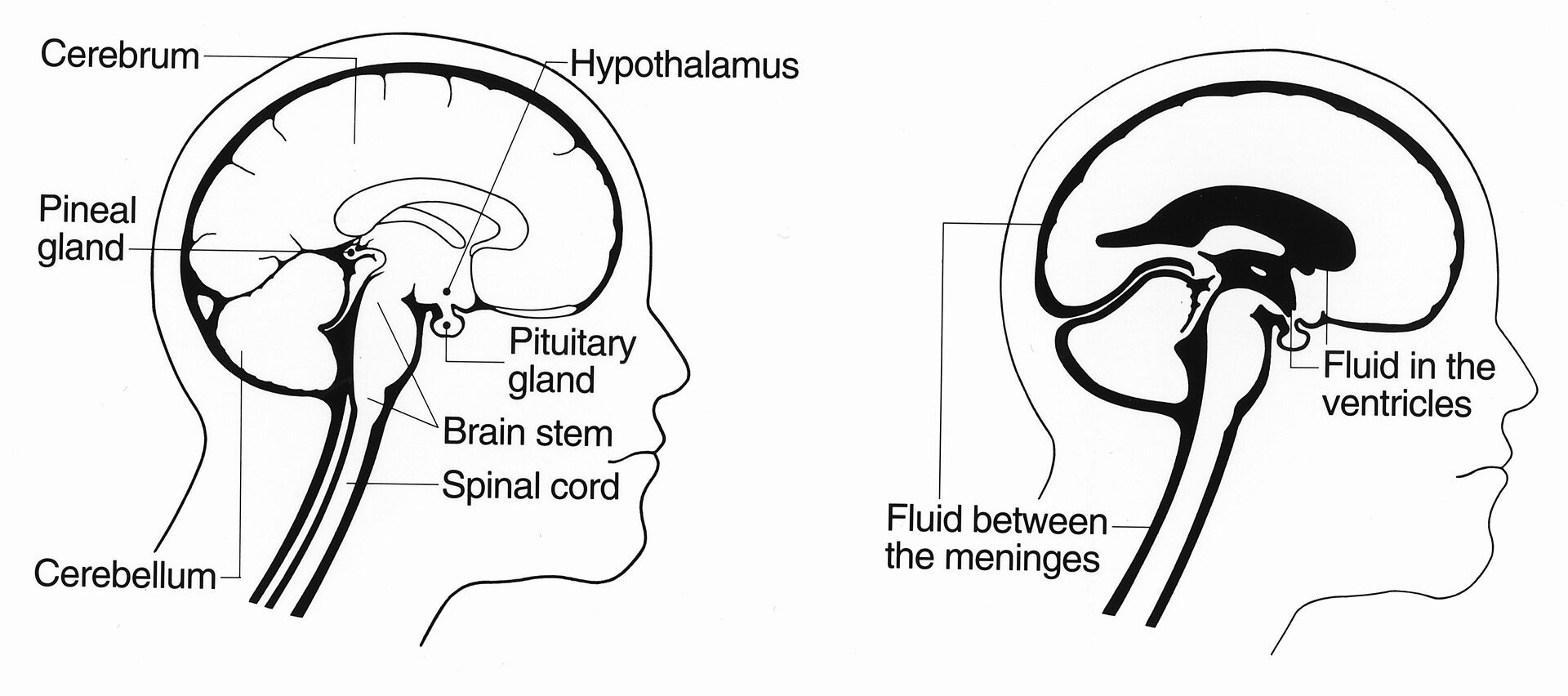
In a wide-ranging conversation with Raj Shamani, neurologist Dr. Shweta Adatia discusses brain training, stress, emotional regulation, routines, performance, and the possibility of change. The conversation moves between morning rituals, breathing exercises, visualization, exercise, procrastination, chronotypes, and the science of neuroplasticity.
The unifying idea is simple: the brain is not a finished object. It is a living system that responds to what we repeatedly notice, practise, rehearse, and reinforce. That does not mean every difficulty can be solved with positive thinking or that a routine can replace medical care. It means that small, deliberate actions can help us build better conditions for attention, movement, recovery, and choice.
The day begins before the first decision#
Many people begin the morning by handing their attention to the phone. A notification, a headline, or a message can pull the mind directly from sleep into urgency. Adatia suggests creating a gentler transition: allow the brain a few minutes to become fully engaged before exposing it to a stream of demands.

She connects morning sunlight with the body’s circadian timing system and presents outdoor light as a useful cue for beginning the day. The practical lesson is not that sunlight is a miracle treatment. It is that the environment can help the brain understand when to become alert and when to wind down. A short walk outside, a few minutes near a bright window, or simply delaying the phone until after a quiet start can make the opening of the day more intentional.
Adatia also recommends avoiding caffeine during the first waking hour as part of the routine she describes. This is a personal-routine suggestion, not a universal medical rule. People respond differently to caffeine, and anyone with a health condition or medication question should follow advice from a qualified clinician.
MOVERS: a framework for a deliberate morning#
One of the most memorable ideas in the conversation is the MOVERS framework. It brings together six practices:

- Meditation: sit quietly and notice what is happening without immediately reacting to it.
- Oxygenation: use breathing and movement to become more awake and physically present.
- Visualization: mentally rehearse the day, an important meeting, or a difficult conversation.
- Exercise: move the body through strength, coordination, balance, and endurance.
- Reading: choose positive or constructive material before the attention economy chooses for you.
- Scribing: write down what is no longer serving you, so it is not carried unconsciously through the day.
The value of a framework like this is not that every person must complete six tasks before breakfast. Its value is that it turns an abstract intention—“I want a better day”—into a sequence of small behaviours. A useful routine should reduce friction, not create another performance test.
You can begin with a five-minute version: one minute of quiet breathing, one minute of imagining the day, two minutes of movement, and one sentence written about what deserves your attention. Consistency matters more than an impressive first attempt.
Visualization is rehearsal, not magic#
The interview gives visualization a practical role. Before a speech, meeting, interview, or competition, a person can imagine the setting, the first action, the difficult moment, and the way they want to recover if something goes wrong.
This is different from pretending that an outcome is guaranteed. Good visualization includes process. It might involve picturing yourself walking onto the stage, taking a breath before answering, finding your place after losing your words, or finishing the next small step when the first plan changes.
The host describes mentally rehearsing high-stakes speeches in detail, including stage movements and exits. That kind of rehearsal can make an unfamiliar situation feel more familiar. It also reveals gaps: if you cannot picture the first step, perhaps the task needs more preparation rather than more motivation.
Visualization is best treated as one tool among several. It works alongside practice, feedback, sleep, and realistic planning. Imagining a piano exercise is not the same as building the strength and timing required to play it, but mental rehearsal may still support physical practice when used thoughtfully.
The pause between emotion and action#
Adatia describes the limbic system as quick to scan for threat and the frontal cortex as important for choice, planning, and regulation. The useful takeaway is not a simplistic “emotional brain versus rational brain” story. Human behaviour involves many interacting systems. The practical point is that a strong reaction can arrive before a considered response.
Awareness creates a small amount of space. Instead of treating anger, fear, or anxiety as an instruction, you can notice the reaction and ask what it is trying to protect. Is there an actual danger? Is an old memory being activated? Is the body exhausted? Has a small inconvenience been interpreted as a personal threat?
The conversation suggests simple interruption techniques: breathe deeply, count backward, or lengthen the exhale before replying. For temporary anxiety, it discusses a four-seven-eight breathing pattern. For tiredness or loss of focus, it mentions humming bee breathing for a few rounds in a quiet setting.
These techniques should be used gently. Breathing exercises are not a substitute for help with persistent panic, severe anxiety, depression, trauma, or other mental-health concerns. If a practice makes you dizzy or uncomfortable, stop and seek appropriate advice.
A daily audit turns vague discomfort into information#
One of the strongest ideas in the discussion is the daily audit. Instead of asking only whether the day was “good” or “bad,” examine the pattern more closely:
- What emotion appeared most often?
- What triggered it?
- What did I do next?
- Did my response help or make the situation harder?
- Which relationships gave me energy, and which repeatedly drained it?
- When did I do my best work?
- What did I avoid, and what story did I tell myself about that avoidance?
The purpose is not self-criticism. It is to make automatic patterns visible. A person who repeatedly becomes irritable late in the afternoon may need food, rest, a different meeting schedule, or a boundary—not a lecture about discipline. A person who procrastinates only on ambiguous tasks may need a clearer first step.
Awareness is useful when it leads to an experiment. Change one variable, observe the result, and adjust. That is more reliable than copying somebody else’s entire morning routine.
Neuroplasticity means capacity, not unlimited control#
The interview returns repeatedly to neuroplasticity: the brain’s ability to adapt in response to experience and practice. The popular phrase “neurons that fire together wire together” captures the intuition that repeated patterns can become easier to repeat.
But neuroplasticity should not be turned into a promise that anyone can become anything through willpower alone. Biology, age, sleep, illness, stress, trauma, genetics, access to care, and the surrounding environment all matter. A hopeful view of change can coexist with humility about limits.
The practical version is encouraging: current habits are not a permanent identity. You can train attention by returning to one object. You can train coordination by learning an unfamiliar movement. You can train flexibility by taking a different route, using your non-dominant hand for a safe everyday task, or moving a familiar object so that you have to notice it again.
Adatia calls these kinds of challenges “neurobics”—small disruptions to automatic behaviour. They are not a replacement for education or treatment. They are reminders that the brain benefits from meaningful novelty.
Move in more than one direction#
The exercise advice in the conversation is broader than “work out more.” It highlights cross-lateral movement, strength, coordination, balance, and endurance. This is a useful distinction because a body can be strong in one dimension and underprepared in another.
Cross-lateral actions—such as movements that coordinate the left side with the right—can make attention and coordination more demanding. Balance challenges the body’s control systems. Strength supports everyday function. Endurance supports the ability to sustain effort. Walking may be the most accessible starting point, but the long-term goal is a varied movement practice that fits the person’s health and abilities.
The same principle applies to the mind. Change the route of a familiar walk. Learn a new skill. Write in a mirror or try another safe way of completing an ordinary task. The point is not to make daily life inconvenient. It is to interrupt the amount of life performed without awareness.
Work with energy instead of fighting it#
The conversation distinguishes time management from energy and attention management. Two people may have the same twenty-four hours but very different periods of alertness. The discussion uses four familiar chronotype labels—lion, bear, wolf, and dolphin—to describe different patterns of energy.
Labels can be useful as prompts, but they should not become another identity box. Rather than deciding that you are permanently a “wolf,” observe yourself for a week. When are you most alert? When do you become impulsive or foggy? Which tasks need creativity, and which can be done when energy is lower?
Schedule demanding work around your actual patterns where possible. Protect the strongest hours for thinking, learning, or difficult conversations. Put routine administration into lower-energy windows. If your schedule cannot change, use the observation to choose better preparation, breaks, food, light, and expectations.
Procrastination often needs a smaller beginning#
The interview’s advice for procrastination is deliberately modest: start with five minutes. Five minutes is long enough to create evidence that the task has begun and short enough to reduce the emotional resistance around it.
The first five minutes can be used to open the document, write an imperfect outline, gather the tools, or complete one simple repetition. Momentum often follows action rather than preceding it.
Purpose matters too. A difficult task becomes easier to sustain when it is connected to a reason that feels real. A “purpose book,” a short written mission, or a sentence beside your desk can remind you why the effort matters when the immediate reward is absent.
Meaning does not make every task enjoyable. It makes the effort intelligible.
What to keep—and what to question#
The interview contains many stimulating ideas: brain waves, binaural beats, placebo effects, brain scans, imagined practice, emotional memory, and different forms of neuromodulation. Some claims are presented as personal interpretations, some as references to studies, and some as practical suggestions. They should not all be treated as equally established.
That distinction matters. A five-minute quiet walk is a low-cost experiment. A commercial brain-training device, supplement, or treatment claim deserves more scrutiny. Before spending money or changing medication, check the evidence, the risks, and the advice of a qualified professional.
The strongest lessons do not depend on believing every extraordinary claim. They are ordinary enough to test: sleep consistently, get daylight, move your body, practise attention, rehearse important tasks, pause before reacting, and review your patterns without shame.
A simple seven-day experiment#
If you want to apply the conversation without rebuilding your entire life, try this for one week:
- Keep your phone away for the first five minutes after waking.
- Get a few minutes of outdoor morning light when practical.
- Sit quietly and notice your breathing.
- Visualize one important action you want to complete.
- Move for at least ten minutes, adding a little variety to the route or exercise.
- Begin one avoided task with only five minutes of effort.
- At night, write down one emotional trigger, one useful response, and one adjustment for tomorrow.
Do not score the week by perfection. Score it by information. Which practice made you more attentive? Which created unnecessary pressure? What changed when you protected your energy? The answers are more valuable than a borrowed routine.
The brain is shaped by what we repeatedly return to#
The central message of the conversation is not that a perfect morning can solve life. It is that attention is trainable, emotions can be observed before they are obeyed, and small actions can become meaningful patterns.
Resilience is not the absence of failure. It is the ability to recover, reassess, and continue. Emotional regulation is not emotional denial. It is the capacity to feel what is present without becoming permanently trapped inside the first reaction.
Train the brain by returning—patiently and repeatedly—to what matters: awareness, movement, meaningful effort, honest reflection, and relationships that support a life you actually want to live.
The practical lesson is simple: do not wait for motivation to redesign your brain. Begin with one small act of attention.
Image credits#
- Brain illustration: National Cancer Institute, public domain, Wikimedia Commons.
- Morning sunlight: Morna nini, CC BY 4.0, Wikimedia Commons.
- Early morning meditation: Sarvodaya Shramadana, CC BY 2.0, Wikimedia Commons.


This article is an editorial synthesis of the supplied summary of Raj Shamani’s conversation with Dr. Shweta Adatia. It is for educational purposes and is not medical advice. Claims about symptoms, treatment, breathing practices, or brain-health products should be discussed with a qualified professional.